
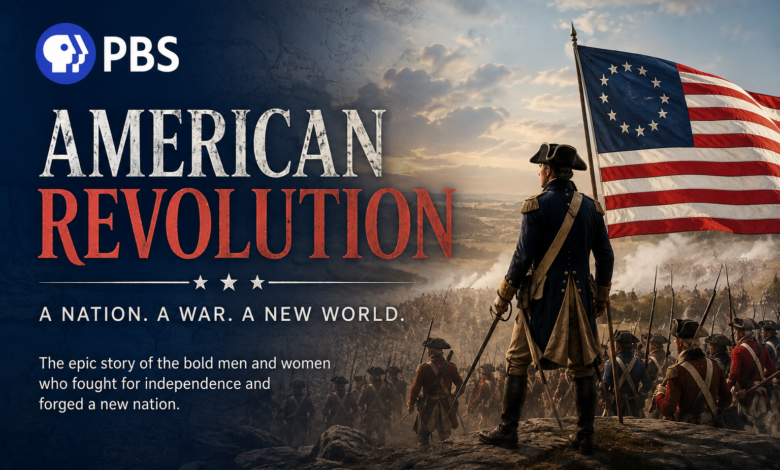
Introduction to PBS American Revolution
The story of the American Revolution has been told in countless books, documentaries, and classrooms, but PBS American Revolution brings something different to the table. Instead of simply presenting dates and famous names, it dives into the personal stories, difficult decisions, and complicated realities that shaped the fight for American independence. Whether you’re a history enthusiast or someone who just wants to understand how the United States came to exist, PBS offers a thoughtful and engaging way to experience this pivotal period.
One of the biggest strengths of PBS productions is their commitment to historical accuracy while keeping the storytelling interesting. Rather than turning history into a dry collection of facts, they combine expert interviews, dramatic recreations, maps, letters, and historical documents to create a viewing experience that feels both educational and entertaining. This balance makes it easier for viewers of all ages to stay engaged throughout the series.
The American Revolution wasn’t just a war between Britain and the colonies. It was a social, political, and cultural transformation that affected millions of people, including soldiers, civilians, Native American tribes, enslaved Africans, women, and loyalists. PBS American Revolution explores these perspectives, giving audiences a more complete understanding of one of history’s most influential events.
What Makes PBS American Revolution Different?
Many historical documentaries focus almost entirely on military battles and political leaders. While those elements are certainly important, PBS American Revolution goes beyond them. It asks difficult questions about freedom, equality, loyalty, and sacrifice. It encourages viewers to think critically instead of accepting simplified versions of history.
The documentary places strong emphasis on primary sources. Letters written by soldiers, speeches from political leaders, diary entries, and official government documents help bring historical figures to life. Hearing their own words creates a stronger emotional connection than simply reading textbook summaries. It also allows viewers to understand how uncertain and unpredictable the future seemed to those living through the revolution.
Another reason the series stands out is its high production quality. Beautiful cinematography, detailed historical illustrations, carefully designed reenactments, and immersive narration work together to create a professional documentary that feels polished without becoming overly dramatic. The storytelling remains grounded in historical evidence while still being captivating from beginning to end.
The Historical Background Behind the Revolution
To truly appreciate PBS American Revolution, it’s important to understand the events that led up to the conflict. During the mid-1700s, Britain’s American colonies had grown economically and socially. However, tensions increased after the costly French and Indian War, when Britain introduced new taxes to recover financial losses. Many colonists believed they were being unfairly taxed without representation in Parliament.
These disagreements gradually evolved into organized protests. Events like the Stamp Act protests, the Boston Massacre, and the Boston Tea Party became symbols of colonial resistance. Rather than resolving the conflict peacefully, each confrontation deepened the divide between Britain and the colonies, making compromise increasingly difficult.
PBS carefully explains that the revolution did not happen overnight. It was the result of years of frustration, political debates, economic pressures, and changing ideas about government and individual rights. By presenting this gradual buildup, viewers gain a deeper appreciation for why ordinary colonists eventually supported independence despite the enormous risks involved.
Important Figures Featured Throughout the Documentary
Naturally, George Washington receives significant attention in PBS American Revolution. His leadership, determination, and ability to unite the Continental Army despite overwhelming challenges are explored in considerable detail. Rather than portraying him as a flawless hero, the documentary acknowledges his struggles, military setbacks, and moments of uncertainty, making him appear more human.
Other influential figures such as Thomas Jefferson, Benjamin Franklin, John Adams, Samuel Adams, and Alexander Hamilton also play major roles throughout the story. Each contributed differently to the revolutionary cause through diplomacy, writing, military leadership, or political strategy. PBS explains how their personalities sometimes clashed even while pursuing the same ultimate goal of independence.
The documentary also gives attention to individuals who are often overlooked. Women managed households during wartime, provided intelligence, and supported military efforts. Enslaved Africans faced impossible choices regarding promises of freedom. Native American nations navigated shifting alliances that would ultimately reshape their futures. Loyalists, who remained faithful to Britain, also receive thoughtful coverage, showing that colonial society was deeply divided rather than universally united.
Major Battles That Changed History
Military battles remain an important part of the American Revolution, and PBS presents them with clear explanations and historical context. The Battles of Lexington and Concord are introduced as the opening military confrontations that transformed political disagreements into armed conflict. These early encounters demonstrated that the colonies were willing to fight rather than simply protest.
The Battle of Saratoga receives particular attention because it represented a turning point in the war. American victory convinced France that the colonial cause had genuine potential, leading to a formal alliance that provided military assistance, financial resources, and naval support. Without French involvement, achieving independence would have been considerably more difficult.
Yorktown serves as the dramatic conclusion of the military campaign. PBS explains how coordinated efforts between American and French forces trapped British General Cornwallis, leading to his surrender in 1781. Although political negotiations continued afterward, Yorktown effectively ended major combat and paved the way for American independence.
Everyday Life During the Revolution
One aspect that makes PBS American Revolution especially engaging is its focus on ordinary people. While generals and politicians shaped national strategy, everyday families experienced the hardships of war in deeply personal ways. Farms were destroyed, businesses struggled, food became scarce, and many communities lived under constant uncertainty.
Women often assumed responsibilities traditionally handled by men who had joined the military. They managed farms, raised children, operated businesses, and maintained local communities despite enormous challenges. Their contributions rarely receive the recognition they deserve, and PBS highlights their resilience throughout the revolutionary period.
The documentary also explores the experiences of soldiers. Many endured freezing winters, inadequate supplies, illness, and low morale. Valley Forge, in particular, illustrates the incredible hardships faced by the Continental Army. Rather than romanticizing war, PBS presents the physical and emotional toll experienced by those fighting for independence.
The Lasting Legacy of the American Revolution
The success of the American Revolution permanently changed world history. The newly independent United States became the first modern nation founded on written constitutional principles emphasizing representative government and individual rights. Although the country’s democratic ideals remained incomplete, they inspired political movements across the globe.
PBS American Revolution does not ignore the contradictions that existed after independence. While the Declaration of Independence proclaimed that all people were created equal, slavery continued for decades, women lacked political rights, and Native American communities faced increasing displacement. By acknowledging these realities, the documentary presents a more honest and balanced interpretation of history.
The revolution’s influence extended beyond American borders. Countries in Europe and Latin America closely observed the events unfolding in North America, drawing inspiration from revolutionary ideas about liberty, self-government, and constitutional reform. PBS effectively connects the American Revolution to broader global developments rather than treating it as an isolated event.
Why PBS American Revolution Remains Relevant Today
Modern audiences continue to find value in PBS American Revolution because many of the questions raised during the eighteenth century remain relevant today. Debates about government authority, civil liberties, taxation, political representation, and national identity continue to shape democratic societies around the world.
The documentary also encourages viewers to appreciate the complexity of historical events. Instead of presenting history as a simple struggle between good and evil, it demonstrates that real people made incredibly difficult decisions under extraordinary circumstances. Understanding these complexities helps audiences develop stronger critical thinking skills when examining both past and present events.
Educationally, PBS American Revolution serves as an outstanding resource for students, teachers, and lifelong learners. Its accessible storytelling, reliable historical research, and engaging presentation make it suitable for classrooms while remaining enjoyable for general audiences who simply love history.
Conclusion
PBS American Revolution stands as one of the most thoughtful and engaging explorations of America’s fight for independence. Rather than relying solely on famous battles and well-known leaders, it examines the human stories, political debates, and social changes that shaped the revolutionary era. This broader perspective allows viewers to understand not only what happened but also why those events continue to matter centuries later.
By combining expert historical research with compelling storytelling, PBS creates a documentary experience that feels informative without becoming overwhelming. Viewers leave with a stronger appreciation for the sacrifices, disagreements, and ideals that influenced the founding of the United States. The series reminds us that history is rarely simple, and understanding the past requires examining multiple perspectives.
For anyone interested in American history, political development, or the origins of modern democracy, PBS American Revolution offers an excellent starting point. It presents a balanced, engaging, and well-researched account that encourages curiosity while remaining accessible to audiences of all backgrounds. Whether you’re watching for education or personal interest, this documentary provides valuable insights into one of history’s most significant revolutions.
You May Also Read: Miya Melody
