Blue Fin Tuna Fishing San Diego: The Ultimate Guide for an Unforgettable Offshore Adventure

Why Blue Fin Tuna Fishing in San Diego Is So Popular
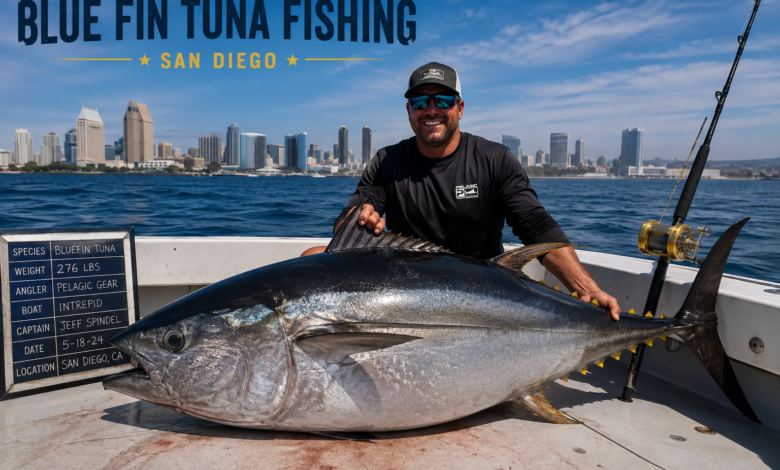
Blue fin tuna fishing in San Diego has become one of the biggest attractions for anglers from all over the world. Every year, thousands of fishing enthusiasts travel to Southern California hoping to hook one of these incredibly powerful fish. The waters off the San Diego coast have developed a reputation for producing consistent bluefin tuna action, making the region one of the top destinations for offshore sportfishing.
One of the reasons San Diego stands out is its unique location. The Pacific Ocean off the coast offers nutrient-rich waters that attract massive schools of baitfish. Those baitfish naturally draw bluefin tuna, especially during the warmer months when ocean conditions become ideal. While many places around the world offer tuna fishing, few provide the combination of accessibility, experienced charter fleets, and productive fishing grounds that San Diego does.
Another reason anglers love fishing here is the unpredictability of every trip. Some days you may catch smaller bluefin weighing around 30 pounds, while on other days anglers battle fish exceeding 200 pounds. That possibility of landing the catch of a lifetime keeps people coming back year after year.
Best Time for Blue Fin Tuna Fishing San Diego
Timing plays a huge role when planning your fishing adventure. Although bluefin tuna can appear throughout different parts of the year, the prime fishing season generally stretches from late spring into the fall. Water temperatures, bait movement, and weather conditions all influence where the fish gather.
Summer is often considered the sweet spot for blue fin tuna fishing San Diego. During June, July, August, and September, fishing reports frequently show impressive catches as schools move closer to the Southern California coastline. Longer daylight hours and calmer seas also create better conditions for offshore trips.
That said, modern fishing technology has changed the game considerably. With advanced fish-finding electronics, satellite imagery, and experienced captains, many charter boats now successfully locate bluefin tuna even during months that were once considered slow. Because of this, dedicated anglers can often enjoy productive trips nearly year-round if ocean conditions cooperate.
What Makes Bluefin Tuna Such an Incredible Game Fish?
Bluefin tuna are famous for their unbelievable strength and endurance. Unlike many other sportfish, these powerful predators are built for speed, capable of covering huge distances across the Pacific Ocean. Once hooked, they immediately test both the angler and the fishing equipment with long, powerful runs.
Their muscular bodies allow them to fight for extended periods. Landing a large bluefin isn’t simply about pulling as hard as possible. It requires patience, proper technique, teamwork, and a well-balanced setup. Even experienced fishermen often describe bluefin battles as some of the toughest fights they’ve ever experienced.
Besides their fighting ability, bluefin tuna are also highly respected because of their value and outstanding table quality. Their rich, flavorful meat is prized worldwide, especially for premium sushi and sashimi. Catching one is rewarding not only because of the challenge but also because of the exceptional eating experience afterward.
Choosing the Right Charter for Blue Fin Tuna Fishing San Diego
If you’re new to offshore fishing, booking a professional charter is easily the smartest decision. San Diego has one of the largest and most experienced sportfishing fleets in the United States, offering trips that range from full-day adventures to multi-day offshore expeditions.
Experienced captains spend countless hours tracking fish movements, monitoring weather patterns, and staying in contact with other boats. This local knowledge dramatically improves your chances of finding active schools of bluefin tuna. Instead of guessing where the fish might be, you’ll be fishing alongside professionals who understand seasonal patterns and changing ocean conditions.
Another advantage of charter fishing is convenience. Most boats provide quality rods, reels, bait, safety equipment, and fishing licenses. Beginners can simply show up with comfortable clothing, sunscreen, food, and a positive attitude while the crew handles the technical aspects of the trip.
Essential Gear for Catching Bluefin Tuna
Bluefin tuna demand heavy-duty equipment because these fish are incredibly powerful. Lightweight freshwater tackle simply isn’t designed for this kind of fishing. Offshore anglers usually rely on high-quality conventional reels paired with strong graphite or composite rods.
Braided fishing line has become the standard because it offers exceptional strength while maintaining a smaller diameter than traditional monofilament. Many anglers combine braided main line with fluorocarbon leaders, which are less visible underwater and provide excellent abrasion resistance when fighting large fish.
Hooks, sinkers, jigs, and live bait setups vary depending on fishing conditions. Some days bluefin aggressively attack surface lures, while other days they respond better to live sardines or mackerel. Successful anglers remain flexible and adjust their techniques throughout the day based on fish behavior and crew recommendations.
Popular Fishing Techniques Used by San Diego Anglers
There isn’t a single method that works every day. Instead, successful fishermen constantly adapt to changing conditions. Fly-lining live bait remains one of the most productive techniques when tuna are feeding naturally near the surface. Allowing the bait to swim freely often results in more natural presentations that fool cautious fish.
Knife jigs have become increasingly popular in recent years. These metal lures sink quickly into deeper water where tuna often suspend beneath schools of baitfish. Vertical jigging can trigger aggressive strikes, especially when fish are feeding below the surface.
Another effective method involves trolling. Charter boats slowly pull artificial lures or rigged bait behind the vessel while covering large areas of ocean. Trolling helps locate active fish before switching to more targeted techniques once a productive school has been found.
Preparing for Your Offshore Fishing Trip
A successful fishing trip begins well before the boat leaves the dock. Checking weather forecasts, packing appropriate clothing, and staying hydrated all contribute to a more enjoyable experience. Morning temperatures offshore can be surprisingly cool, even during summer, so layered clothing is always recommended.
Motion sickness is something many first-time anglers underestimate. Taking preventative medication before boarding often makes a significant difference, especially during longer offshore trips. Waiting until seasickness begins usually limits how effective the medication will be.
It’s also important to get enough rest before departure. Many bluefin charters leave very early in the morning, and offshore fishing can be physically demanding. Being well-rested helps you stay alert, react quickly during hookups, and enjoy the experience from start to finish.
Conservation and Responsible Tuna Fishing
Bluefin tuna have faced significant fishing pressure over the years, making responsible management more important than ever. Fisheries managers carefully monitor tuna populations and establish regulations designed to protect the species while still allowing recreational and commercial fishing opportunities.
Responsible anglers follow size limits, bag limits, and licensing requirements established by local authorities. These rules help maintain healthy fish populations for future generations while supporting sustainable fishing practices.
Many charter operators also emphasize ethical handling techniques. Fish intended for release should be handled carefully to maximize survival, while harvested tuna should be properly bled and iced immediately to preserve meat quality. Respecting both the resource and the environment ensures that blue fin tuna fishing San Diego remains exceptional for years to come.
Tips for First-Time Bluefin Tuna Anglers
First-time anglers often believe strength alone determines success, but technique matters much more. Learning how to properly use the rod, maintain steady pressure, and follow crew instructions dramatically improves your chances of landing a fish.
Listening to the captain and deckhands is another key factor. These professionals spend hundreds of days on the water every year and understand how fish are behaving. Even small adjustments to bait presentation or drag settings can make the difference between landing a trophy tuna and losing it.
Patience is equally important. Offshore fishing naturally involves periods of waiting between moments of intense excitement. Some trips produce immediate action, while others require hours of searching before finding active schools. Remaining positive throughout the day often pays off when the opportunity finally arrives.
Why San Diego Continues to Be a World-Class Tuna Fishing Destination
San Diego has earned its reputation through decades of outstanding offshore fishing. Few locations offer such easy access to productive Pacific waters combined with experienced captains, modern sportfishing boats, and consistent bluefin tuna opportunities.
The city’s fishing community continues to evolve with improved technology, better equipment, and constantly expanding knowledge of tuna migration patterns. These advancements help anglers enjoy higher success rates than ever before while creating unforgettable offshore experiences.
Whether you’re an experienced offshore fisherman chasing your next personal best or a beginner hoping to catch your very first tuna, blue fin tuna fishing San Diego offers an adventure unlike any other. The excitement of hearing the reel scream, watching a giant tuna surface beside the boat, and celebrating a successful catch with friends creates memories that last a lifetime. For anyone passionate about saltwater fishing, there’s simply no substitute for experiencing the incredible bluefin tuna fishery that has made San Diego famous around the globe.
You May Also Read: Brooklyn Bridge
