
Introduction
For decades, Barbie has been one of the world’s most recognizable dolls. She has evolved from a traditional fashion doll into a symbol of diversity, representation, and possibility. Over the years, Barbie has reflected different careers, body types, cultures, and abilities, allowing more children to see themselves represented through play. One of the most meaningful additions to the Barbie family is the autistic Barbie, a doll designed to celebrate neurodiversity and help children better understand autism in a positive and respectful way.
The introduction of autistic Barbie represents much more than simply adding another character to the collection. It shows that every child deserves to feel seen, accepted, and included. For children on the autism spectrum, seeing a doll that shares some of their experiences can be incredibly empowering. It sends the message that being different is not something to hide but something to embrace.
Parents, educators, therapists, and collectors have welcomed this addition because it opens the door for important conversations about empathy, inclusion, and acceptance. Rather than focusing on limitations, autistic Barbie celebrates individuality while encouraging children to appreciate the unique qualities that make every person special.
What Is Autistic Barbie?
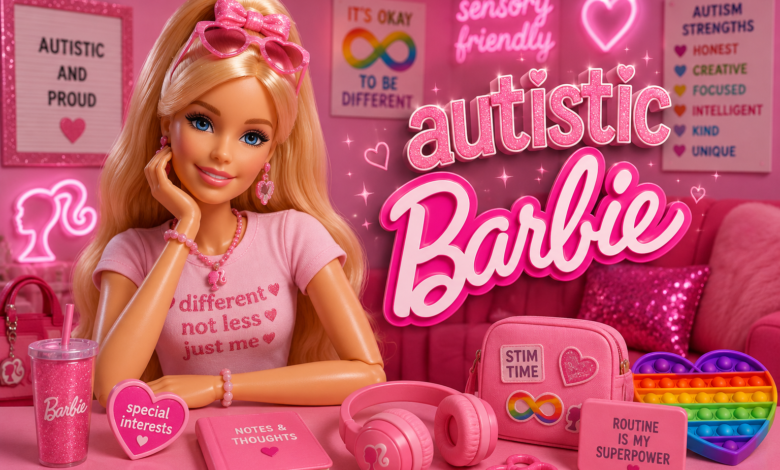
Autistic Barbie is a thoughtfully designed doll created to represent children with autism in a respectful and authentic way. Instead of relying on stereotypes, the doll was developed with guidance from autism experts, advocacy organizations, and individuals with lived experiences. This collaborative approach helped ensure that the doll reflects autism with care and accuracy.
The doll includes features and accessories that acknowledge some common sensory experiences associated with autism. While every autistic individual is unique, certain design elements help represent sensory needs in a gentle and educational manner. These thoughtful additions make the doll feel authentic without defining autism through a single characteristic.
It’s important to remember that autism is a spectrum. No two autistic individuals are exactly alike, and autistic Barbie is not meant to represent every experience. Instead, she serves as one example that helps children recognize and appreciate neurodiversity while encouraging curiosity and understanding rather than misunderstanding.
Why Representation Matters in Toys
Children naturally use toys to understand the world around them. Dolls often become reflections of real people, helping children build social skills, empathy, and imagination. When children see dolls representing different abilities, cultures, and experiences, they learn that diversity is a normal and valuable part of everyday life.
For autistic children, representation can have a significant emotional impact. Seeing a doll that reflects aspects of their own experiences may help build confidence and reinforce the idea that they belong. Instead of feeling different or isolated, children can recognize themselves in the toys they love.
Representation also benefits children who are not autistic. Playing with diverse dolls encourages acceptance from an early age. It helps normalize differences and reduces the fear or uncertainty that can arise from unfamiliarity. As children grow, these lessons often carry into their relationships at school, in their communities, and throughout adulthood.
Design Features That Reflect Autism
One of the most appreciated aspects of autistic Barbie is the attention given to sensory awareness. Many autistic individuals experience heightened or reduced sensitivity to sounds, textures, lights, or other environmental factors. The doll includes accessories that gently acknowledge these sensory differences without making them the central focus.
The clothing and accessories are designed with intention. Bright colors, comfortable styles, and carefully selected details create a character that feels relatable while remaining fun and fashionable. These choices remind children that accessibility and style can exist together.
Another meaningful feature is that autistic Barbie looks confident and happy. She is not portrayed as someone needing to be “fixed.” Instead, she reflects the idea that autism is simply one part of a person’s identity. This positive representation helps reshape outdated perceptions and encourages a healthier understanding of neurodiversity.
The Importance of Neurodiversity
The concept of neurodiversity recognizes that differences in the human brain are natural variations rather than defects. Autism, ADHD, dyslexia, and other neurological differences all contribute to the diversity of human experiences. Autistic Barbie supports this perspective by presenting autism as something to understand rather than something to fear.
Children who learn about neurodiversity at an early age often become more compassionate and inclusive. Through imaginative play, they begin asking questions, sharing experiences, and recognizing that everyone communicates and learns differently. These conversations happen naturally while children play, making learning feel enjoyable instead of forced.
Parents often find that toys like autistic Barbie provide a comfortable starting point for discussing autism. Rather than relying solely on books or formal lessons, children can explore these ideas through storytelling, role-playing, and creative imagination.
How Parents Can Use Autistic Barbie at Home
Parents can use autistic Barbie as an educational tool while keeping play fun and engaging. During playtime, children can create stories that celebrate friendship, teamwork, kindness, and understanding. These simple activities encourage positive attitudes without feeling like a lesson.
Reading books about autism alongside play sessions can strengthen children’s understanding. Parents can answer questions honestly while explaining that everyone has different strengths, interests, and ways of experiencing the world. This combination of reading and imaginative play often creates meaningful learning moments.
Families can also encourage children to practice empathy by imagining situations where different characters help and support one another. Whether the story takes place at school, on vacation, or during everyday adventures, these experiences reinforce the value of inclusion in a natural and memorable way.
Benefits for Schools and Classrooms
Teachers are always searching for engaging ways to introduce topics related to diversity and inclusion. Autistic Barbie can become part of classroom discussions about respecting differences and building welcoming communities. Because children already enjoy dolls and storytelling, these lessons feel approachable and interactive.
School counselors and special education professionals may also find the doll helpful during social-emotional learning activities. Children often express thoughts and emotions more comfortably through play than through direct conversation. Dolls provide a safe space for exploring friendships, communication, and understanding.
Inclusive toys also encourage classmates to appreciate one another’s differences. Instead of viewing autism as unusual, children begin seeing it as another example of human diversity. These early lessons help create more accepting classrooms where every student feels valued.
What Collectors Appreciate About Autistic Barbie
Barbie collectors have long admired the brand’s ability to reflect changing social values. Autistic Barbie stands out as one of the most meaningful additions because it represents progress in both toy design and cultural awareness. Collectors often see the doll as an important milestone rather than simply another release.
Many collectors enjoy owning dolls that tell stories about history, representation, and inclusion. Autistic Barbie fits naturally within collections celebrating diversity because it reflects a growing commitment to ensuring every child can feel represented.
The doll also has educational value beyond collecting. Many adult collectors display it as a reminder that toys influence the way children understand themselves and others. This broader significance makes autistic Barbie especially memorable within modern Barbie collections.
Addressing Common Misunderstandings
Some people mistakenly believe that autism can be represented by a single personality or behavior. In reality, autism exists on a spectrum, meaning every autistic person has unique strengths, challenges, and interests. Autistic Barbie is not intended to represent every autistic experience but rather to acknowledge and celebrate neurodiversity.
Another misconception is that inclusive dolls are only meaningful for children with disabilities. The truth is that every child benefits from seeing diversity reflected in toys. Exposure to different experiences builds empathy, understanding, and respect from an early age.
Others may wonder whether dolls can truly influence children’s attitudes. Research and everyday experience suggest that imaginative play plays an important role in shaping social understanding. The stories children create with their toys often become the foundation for how they interact with others in real life.
The Future of Inclusive Toys
The growing popularity of inclusive toys suggests that the future of children’s products will continue moving toward greater representation. Companies increasingly recognize that children come from many different backgrounds, cultures, and experiences. Reflecting this diversity helps every child feel valued and respected.
As awareness of neurodiversity continues to grow, more toys may include thoughtful designs that represent a wide range of experiences. These products have the potential to encourage meaningful conversations not only within families but also in schools and communities.
The success of autistic Barbie demonstrates that inclusive design is both meaningful and appreciated. Rather than being viewed as a niche product, the doll has become an example of how thoughtful representation can positively impact children of all backgrounds.
Conclusion
Autistic Barbie is far more than another addition to the Barbie collection. She represents acceptance, understanding, and the belief that every child deserves to see themselves reflected in the toys they play with. By celebrating neurodiversity, the doll helps normalize differences while encouraging kindness, empathy, and inclusion.
For autistic children, this representation can strengthen confidence and provide a comforting reminder that they belong. For other children, it creates opportunities to learn about autism through imagination and play, helping build friendships rooted in understanding rather than assumptions.
As society continues embracing diversity in all its forms, inclusive toys like autistic Barbie remind us that representation matters. Every child deserves to grow up in a world where differences are celebrated, individuality is respected, and everyone has the opportunity to feel seen, valued, and included. Through something as simple as a doll, powerful lessons about compassion and acceptance can begin at an early age and last a lifetime.
You May Also Read: Barber Shop Near Me
