Marvel Characters: Exploring the Legendary Heroes and Villains That Changed Pop Culture

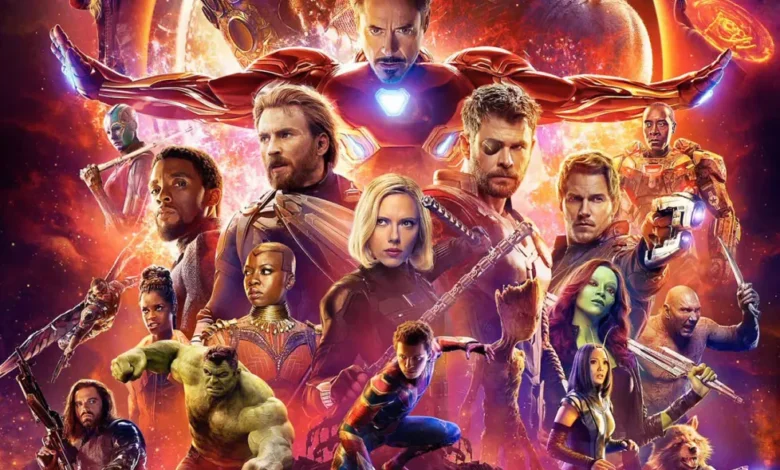
Introduction to Marvel Characters
Marvel characters have become a huge part of modern entertainment, and it’s honestly hard to imagine the world of comics, movies, and television without them. From superheroes wearing colorful suits to villains with complicated motivations, Marvel has created an incredible universe filled with memorable personalities that continue to attract fans from every generation. What started as comic book stories decades ago has now turned into one of the biggest entertainment franchises in history.
One of the biggest reasons Marvel characters remain so popular is because they feel surprisingly human. Even the strongest heroes have fears, doubts, and personal struggles that make them relatable. They don’t simply fight evil every single day. Instead, they deal with family problems, friendships, responsibility, loss, and difficult choices, making readers and viewers emotionally invested in their journeys.
Over the years, Marvel has continued introducing fresh heroes, dangerous villains, powerful cosmic beings, and ordinary people who somehow become extraordinary. Every new generation finds someone they connect with, whether it’s a genius inventor, a teenage superhero, or someone simply trying to do the right thing despite impossible odds. This emotional connection is one of the biggest strengths behind Marvel’s long-lasting success.
The Most Popular Marvel Heroes
When people hear the words Marvel characters, superheroes like Spider-Man, Iron Man, Captain America, Thor, Hulk, and Black Panther usually come to mind first. These heroes have become household names thanks to both comic books and blockbuster films. Each one brings a completely different personality and fighting style, making the Marvel universe incredibly diverse.
Spider-Man remains one of the most beloved superheroes because he’s easy to relate to. Peter Parker isn’t perfect. He struggles with money, relationships, education, and balancing his everyday life with saving the city. His famous lesson that “with great power comes great responsibility” continues inspiring millions around the world. Even after decades, Spider-Man still feels fresh because his problems are very human.
Iron Man completely transformed Marvel’s popularity on the big screen. Tony Stark began as a billionaire genius who cared mostly about himself, but gradually evolved into one of the universe’s greatest heroes. His intelligence, humor, and willingness to sacrifice everything for others made him unforgettable. Alongside heroes like Captain America, whose leadership inspires hope, Thor, whose mythology expands Marvel’s universe, and Black Panther, who represents innovation and culture, these characters continue shaping modern superhero storytelling.
Marvel’s Incredible Villains
Great heroes need equally unforgettable villains, and Marvel certainly delivers. Some villains want unlimited power, while others genuinely believe they’re doing what’s right. This complexity makes Marvel’s antagonists much more interesting than simple evil characters who only exist to destroy everything around them.
Thanos is probably one of Marvel’s most recognized villains today. Unlike many classic villains, Thanos believed his terrible actions would actually save the universe from overpopulation and limited resources. While his methods were horrifying, his motivations sparked countless debates among fans, showing how layered Marvel’s storytelling can become.
Other iconic villains include Loki, Doctor Doom, Magneto, Green Goblin, Venom, and Ultron. Loki constantly shifts between hero and villain, making him unpredictable. Magneto’s painful past creates sympathy despite his extreme decisions. Doctor Doom combines unmatched intelligence with overwhelming ambition, while Green Goblin represents Spider-Man’s most personal enemy. These villains aren’t memorable just because they’re powerful—they’re memorable because they have understandable motivations mixed with dangerous choices.
Teams That Define the Marvel Universe
Individual heroes are exciting, but Marvel truly shines when characters work together. Throughout comic history, several superhero teams have become just as popular as individual heroes. These groups allow different personalities to interact, creating entertaining friendships, rivalries, and unforgettable battles.
The Avengers remain Marvel’s most famous superhero team. Bringing together Iron Man, Captain America, Thor, Hulk, Black Widow, Hawkeye, and many others creates endless opportunities for teamwork and conflict. Every member contributes unique strengths, proving that cooperation often matters more than individual power.
Another legendary team is the X-Men. Unlike many superheroes, mutants often face discrimination simply because of their abilities. This gives X-Men stories emotional depth while exploring acceptance, identity, prejudice, and belonging. Teams like the Fantastic Four and Guardians of the Galaxy further expand Marvel’s universe, offering adventures that range from scientific discoveries to hilarious cosmic missions across distant galaxies.
The Evolution of Marvel Characters
Marvel characters have changed dramatically since their first appearances. Earlier comics often presented heroes in a straightforward way, but modern storytelling focuses much more on emotional growth, personal conflict, and long-term character development. Readers appreciate seeing heroes evolve instead of remaining exactly the same forever.
Tony Stark’s transformation from an arrogant businessman into a selfless protector perfectly demonstrates this evolution. Similarly, characters like Wanda Maximoff have experienced heartbreaking journeys that blur the line between hero and villain. These changes make Marvel stories feel more realistic because people naturally grow and change over time.
Marvel has also introduced more diverse characters representing different cultures, backgrounds, genders, and experiences. Heroes like Ms. Marvel, Shang-Chi, Miles Morales, Moon Knight, and America Chavez bring fresh perspectives while expanding representation within superhero storytelling. This evolution helps newer audiences see themselves reflected in the Marvel universe.
Why Fans Connect With Marvel Characters
One reason Marvel characters continue attracting massive audiences is because they rarely appear perfect. Even Earth’s mightiest heroes make mistakes, lose battles, disappoint loved ones, and question themselves. Their flaws actually make them stronger characters because readers recognize similar struggles within their own lives.
Humor also plays an important role. Marvel stories often balance emotional moments with clever jokes and entertaining conversations. Characters like Spider-Man and Star-Lord constantly lighten serious situations, making stories feel more enjoyable without reducing the overall stakes.
Relationships between characters create another layer of emotional investment. Friendships, rivalries, romances, mentorships, and family connections make every victory or tragedy more meaningful. Whether it’s Steve Rogers standing beside Bucky Barnes, Peter Parker learning from mentors, or the Guardians becoming an unlikely family, these relationships keep audiences emotionally connected.
The Future of Marvel Characters
Marvel continues expanding its universe through new comics, animated series, television shows, and blockbuster movies. Every year introduces fresh heroes while giving classic favorites new adventures. This balance between honoring the past and embracing the future keeps the franchise exciting for longtime fans and newcomers alike.
The multiverse concept has also opened endless storytelling opportunities. Different versions of familiar heroes allow writers to explore unique possibilities without replacing beloved originals. Fans can experience alternate realities where heroes make different decisions or villains become unexpected allies, creating nearly limitless creative potential.
Future Marvel characters will likely become even more diverse, technologically advanced, and emotionally complex. As storytelling evolves, audiences increasingly expect heroes with realistic personalities and meaningful character arcs. Marvel seems committed to meeting these expectations while continuing to surprise fans with creative ideas and unforgettable adventures.
Conclusion
Marvel characters have become much more than comic book icons. They represent courage, sacrifice, hope, resilience, and the idea that ordinary individuals can accomplish extraordinary things when they choose to help others. Their stories continue inspiring millions because they remind us that true heroism isn’t about having incredible powers—it’s about making difficult choices for the greater good.
Whether someone loves the bravery of Captain America, the intelligence of Iron Man, the humor of Spider-Man, or even the complexity of villains like Loki and Thanos, there’s truly a Marvel character for everyone. This wide variety of personalities has allowed Marvel to remain relevant for generations while constantly attracting new fans around the world.
As Marvel continues creating new stories and introducing exciting characters, its legacy only grows stronger. The combination of compelling storytelling, emotional depth, unforgettable action, and relatable personalities ensures that Marvel characters will remain an important part of popular culture for many years to come, continuing to entertain, inspire, and capture imaginations across every corner of the globe.
You May Also Read: Louis Vuitton Doudou Vivienne Textile
