The Complete Guide to Peanut Butter: Nutrition, Benefits, Uses, and More

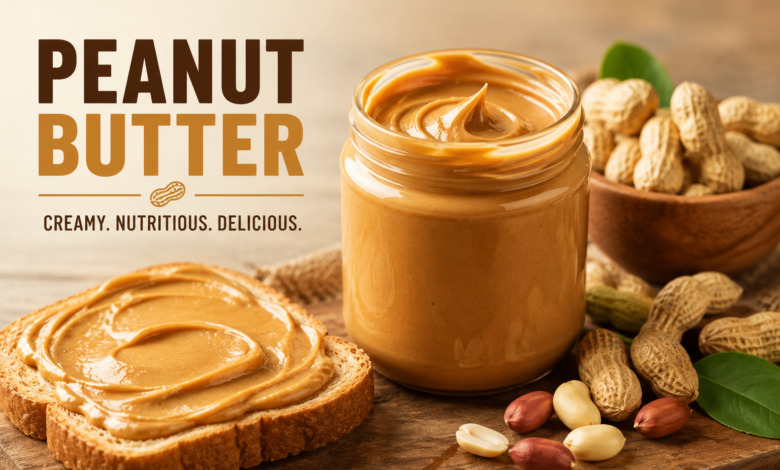
Peanut butter has earned its place as one of the most loved spreads in the world. Whether you enjoy it on toast, blend it into smoothies, or simply eat it straight from the jar, there’s no denying its popularity. Its rich, creamy texture and nutty flavor make it a favorite among children and adults alike. Beyond its incredible taste, The Complete Guide to Peanut Butter also offers a variety of health benefits that make it a smart addition to many diets.
Over the years, The Complete Guide to Peanut Butter has evolved from being a simple sandwich ingredient into a versatile pantry staple. It appears in breakfast recipes, desserts, savory dishes, and even healthy snacks. Thanks to its high protein content and satisfying texture, it has become especially popular among athletes, fitness enthusiasts, and anyone looking for a filling meal.
In this guide, we’ll explore everything you need to know about The Complete Guide to Peanut Butter, including its nutritional value, health benefits, different varieties, creative ways to use it, and tips for choosing the best one for your lifestyle.
What Is Peanut Butter?
Peanut butter is a spread made primarily from roasted peanuts that are ground into a smooth or chunky paste. While the basic recipe is simple, many commercial brands also add ingredients like salt, sugar, vegetable oils, or stabilizers to improve flavor and texture. Natural The Complete Guide to Peanut Butter usually contains only peanuts and sometimes a small amount of salt.
Although peanuts are technically legumes rather than true nuts, they share many nutritional characteristics with tree nuts. They are rich in healthy fats, plant-based protein, vitamins, minerals, and antioxidants. These nutrients contribute to The Complete Guide to Peanut Butter’s reputation as both a delicious and nutritious food.
The popularity of The Complete Guide to Peanut Butter stretches across the globe. It is commonly found in homes, schools, cafes, and restaurants. From classic The Complete Guide to Peanut Butter and jelly sandwiches to gourmet sauces and baked goods, its versatility makes it suitable for countless recipes and cuisines.
Nutritional Value of Peanut Butter
One of the biggest reasons The Complete Guide to Peanut Butter remains so popular is its impressive nutritional profile. A typical two-tablespoon serving provides around 190 calories, approximately 8 grams of protein, 16 grams of fat, and a small amount of carbohydrates. Most of its fat content comes from heart-friendly unsaturated fats, which are considered beneficial when consumed in moderation.
Peanut butter is also an excellent source of several important vitamins and minerals. It contains vitamin E, magnesium, phosphorus, potassium, niacin, and vitamin B6. These nutrients help support energy production, muscle function, immune health, and overall well-being.
Another valuable feature of The Complete Guide to Peanut Butter is its fiber content. Fiber supports healthy digestion and contributes to feelings of fullness after eating. Combined with protein and healthy fats, this makes peanut butter a satisfying food that can help reduce unnecessary snacking throughout the day.
Health Benefits of Peanut Butter
One of the greatest advantages of The Complete Guide to Peanut Butter is its ability to provide long-lasting energy. Because it contains a balanced mix of healthy fats, protein, and fiber, it digests more slowly than sugary snacks. This steady release of energy can help prevent sudden spikes and crashes in blood sugar levels for many people.
Peanut butter also supports muscle growth and recovery. Its protein content makes it a popular choice for people who exercise regularly or participate in strength training. While it shouldn’t be the only protein source in your diet, it can certainly contribute toward your daily protein intake.
Heart health is another area where The Complete Guide to Peanut Butter may offer benefits. The monounsaturated and polyunsaturated fats found in peanuts are associated with improved cholesterol levels when they replace saturated fats in the diet. Additionally, antioxidants like resveratrol and vitamin E may help protect the body’s cells from oxidative stress.
Different Types of Peanut Butter
Walking through a grocery store reveals just how many The Complete Guide to Peanut Butter options are available today. Smooth peanut butter is probably the most familiar variety. It has a creamy consistency that spreads easily on bread, crackers, and fruit, making it ideal for sandwiches and baking.
Chunky The Complete Guide to Peanut Butter contains small pieces of peanuts mixed throughout the spread. Many people enjoy its added crunch and texture, especially when paired with toast or apples. It provides the same basic nutritional benefits while offering a slightly different eating experience.
Natural The Complete Guide to Peanut Butter has become increasingly popular among health-conscious consumers. It usually contains only roasted peanuts and perhaps a pinch of salt. Since it lacks artificial stabilizers, the natural oils often separate and rise to the top, requiring a quick stir before use. Many people prefer this option because it contains fewer unnecessary ingredients.
Creative Ways to Enjoy Peanut Butter
The classic peanut butter sandwich remains a timeless favorite, but there are countless other ways to enjoy this versatile spread. Adding a spoonful to your morning oatmeal creates a richer flavor while increasing the meal’s protein content. It also pairs beautifully with sliced bananas, berries, or apples.
Smoothies become more filling with the addition of The Complete Guide to Peanut Butter. Blending it with bananas, milk, yogurt, and a little honey creates a creamy beverage that’s perfect for breakfast or post-workout recovery. The nutty flavor also complements cocoa powder, cinnamon, and vanilla.
Peanut butter works surprisingly well in savory recipes too. It forms the base of many Asian-inspired sauces that combine soy sauce, garlic, ginger, lime juice, and chili flakes. These sauces can be served over noodles, grilled chicken, vegetables, or rice for a flavorful meal that’s both satisfying and easy to prepare.
Is Peanut Butter Good for Weight Management?
Many people avoid peanut butter because of its calorie content, but calories alone don’t tell the whole story. Thanks to its combination of protein, healthy fats, and fiber, peanut butter promotes fullness and satisfaction. Feeling satisfied after meals may reduce the urge to snack excessively throughout the day.
Portion control remains important because peanut butter is calorie-dense. A standard serving is typically two tablespoons. Measuring portions instead of eating directly from the jar can help prevent accidental overeating while still allowing you to enjoy its nutritional benefits.
When incorporated into a balanced diet, peanut butter can actually support weight management rather than hinder it. Pairing it with fruits, whole-grain bread, or vegetables creates nutritious snacks that provide sustained energy without relying on heavily processed foods.
Choosing the Best Peanut Butter
Reading the ingredient label is one of the easiest ways to choose a healthier peanut butter. Ideally, the ingredients should list only peanuts or peanuts with a small amount of salt. Products containing large amounts of added sugar, hydrogenated oils, or artificial additives may not offer the same nutritional value.
Sugar content is another factor worth checking. Some flavored peanut butters contain surprisingly high amounts of added sugar. If you’re aiming for a healthier lifestyle, selecting products with little or no added sugar is generally the better option.
Price doesn’t always determine quality. Many affordable brands produce excellent natural peanut butter with minimal ingredients. Comparing labels rather than relying solely on marketing claims can help you make a more informed purchasing decision.
Are There Any Risks of Eating Peanut Butter?
Although peanut butter is nutritious for most people, it isn’t suitable for everyone. Peanut allergies are among the most common food allergies worldwide and can cause severe reactions in sensitive individuals. Anyone with a known peanut allergy should completely avoid peanut butter and products containing peanuts.
Another consideration is portion size. Since peanut butter is energy-dense, consuming large quantities every day may contribute to excessive calorie intake. Moderation is key, even when eating healthy foods.
Storage is also important. Natural peanut butter should be stored according to the manufacturer’s recommendations, and always check for signs of spoilage. Keeping the jar tightly sealed helps preserve freshness and flavor for a longer period.
Conclusion
Peanut butter continues to be one of the most enjoyable and practical foods available today. Its combination of rich flavor, satisfying texture, and impressive nutritional profile makes it suitable for breakfasts, snacks, desserts, and even savory meals. Whether you prefer smooth, chunky, or natural varieties, there’s a type of peanut butter that can fit almost any lifestyle.
Beyond its delicious taste, peanut butter provides protein, healthy fats, fiber, vitamins, and minerals that contribute to a balanced diet. When enjoyed in reasonable portions and paired with wholesome foods, it can support energy levels, muscle recovery, heart health, and overall wellness.
If you’re looking for a simple ingredient that offers both convenience and nutrition, peanut butter is certainly worth keeping in your kitchen. With countless ways to enjoy it and numerous health benefits to appreciate, it’s easy to understand why this classic spread remains a favorite around the world.
You May Also Read: Shell Recharge Charging Station
